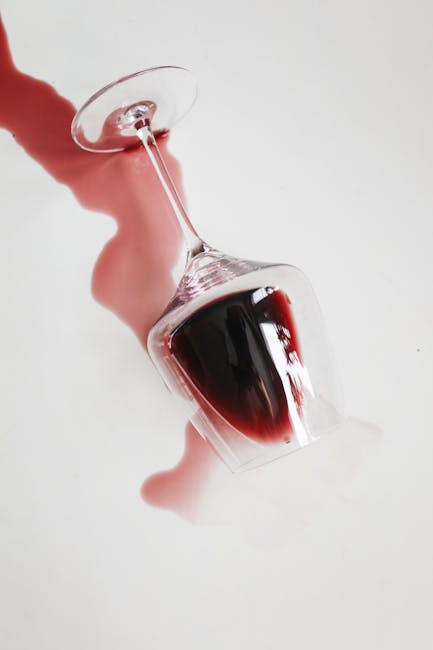
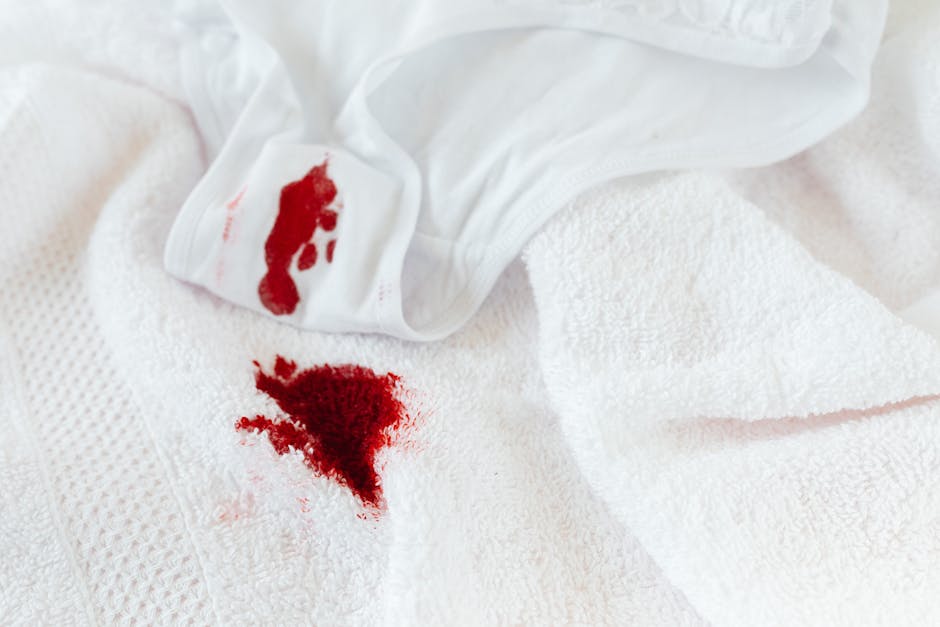
Same day stain removal in Holland Park for wine spills
Wine on a carpet, rug, sofa, or dining chair has a special way of turning a normal evening into a small panic. One minute everything is fine; the next, there's a red patch spreading faster than you'd like, and you're staring at it with a tea towel in your hand. If you need same day stain removal in Holland Park for wine spills, speed matters more than bravado. The first few minutes can decide whether the stain lifts cleanly or settles in for the long haul.
This guide explains how same-day wine stain removal works, when to act yourself, when to call in help, and what to expect from a proper local service. We'll also cover common mistakes, practical tools, and the kind of small details that make a real difference in a home or flat around Holland Park.
Table of Contents
- Why Same day stain removal in Holland Park for wine spills Matters
- How Same day stain removal in Holland Park for wine spills Works
- Key Benefits and Practical Advantages
- Who This Is For and When It Makes Sense
- Step-by-Step Guidance
- Expert Tips for Better Results
- Common Mistakes to Avoid
- Tools, Resources and Recommendations
- Law, Compliance, Standards, or Best Practice
- Options, Methods, or Comparison Table
- Case Study or Real-World Example
- Practical Checklist
- Conclusion
- Frequently Asked Questions
Why Same day stain removal in Holland Park for wine spills Matters
Wine stains are not all the same, which is part of the frustration. Red wine is rich in colour pigments and tannins, while white wine can still leave residue, sticky patches, or a dull mark once it dries. On carpets and upholstery, those liquids can move deeper into fibres and padding surprisingly quickly. That's why same-day treatment is usually the smartest move, especially on absorbent materials like wool blends, cotton upholstery, or woven rugs.
In Holland Park, many homes and flats feature delicate interiors, fitted carpets, runners, textured sofas, and decorative rugs that are not cheap to replace. A wine spill on one of those surfaces is not just annoying; it can affect the look and feel of an entire room. And let's face it, nobody wants to spend the rest of the evening trying to hide a pinkish bloom under a cushion.
Quick action also reduces the risk of setting the stain permanently. Once wine dries, the remaining residue can bond with fibres and attract grime later. That means a small spill can become a recurring mark every time the area is walked on or cleaned lightly. Same-day stain removal is about preventing that chain reaction before it starts.
Expert summary: Fast treatment, gentle blotting, and the right cleaning chemistry usually deliver far better results than aggressive scrubbing or waiting until the next day. In stain work, time is not your friend.
How Same day stain removal in Holland Park for wine spills Works
A proper same-day wine stain removal service usually begins with an assessment of the fibre, backing, dye stability, and how long the spill has been there. That matters because the safest approach for wool is not always the same as the safest approach for synthetic carpet or a velvet chair. A decent cleaner does not just attack the stain and hope for the best.
The process often includes a few careful stages:
- Inspection: The stain, surrounding fabric, and any underlay are checked for colourfastness and sensitivity.
- Pre-treatment: A suitable solution is applied to break down wine pigments and loosen residue.
- Controlled extraction or blotting: The stain is lifted from the surface without spreading it deeper.
- Repeat treatment if needed: Stubborn marks may need a second pass, especially if the wine was on the surface for a while.
- Drying guidance: The area is left to dry properly, with advice to avoid re-soiling or over-wetting.
For upholstery, the method may be even more cautious. A sofa cushion can hide liquid inside the filling, so a quick-looking surface clean is not always enough. In our experience, the visible mark is often only half the story. You may clear the top layer and still find a faint ring later if the inner fabric was never treated.
Same-day services are especially useful because they reduce dwell time. The longer a wine spill sits, the more the pigments settle. That is true whether the spill happened during a quiet dinner, a birthday gathering, or one of those "just one glass" evenings that somehow never stays just one glass.
Key Benefits and Practical Advantages
There are a few obvious benefits to fast stain removal, but the practical ones matter most when you're dealing with a real spill.
- Better stain removal outcomes: Fresh stains are usually easier to lift than dried ones.
- Lower risk of permanent damage: Gentle same-day cleaning can help avoid fibre wear caused by panic scrubbing.
- Protection of delicate furnishings: Useful for rugs, upholstered chairs, and high-value carpets.
- Less disruption: A same-day visit can restore a room before guests leave or before the next workday begins.
- Reduced odour and residue: Wine can leave sticky or sour-smelling traces if it is not dealt with properly.
- Better appearance across the room: A stain draws the eye, even if it is small. Remove it and the whole space feels calmer again.
There's also a quiet benefit people often miss: peace of mind. When the stain is being handled by someone who knows what they're doing, you stop second-guessing every blot and dab. That sounds minor. It isn't, really.
If the spill happened in a busy household, or during a gathering where people are moving around, same-day support can be the difference between "sorted" and "well, that's annoying for the next six months."
Who This Is For and When It Makes Sense
This kind of service is not only for major disasters. It makes sense for anyone who wants to prevent a fresh wine spill from becoming a stubborn stain. That includes homeowners, tenants, landlords, letting agents, hospitality hosts, and anyone with a good carpet they'd rather not risk.
It is especially sensible if:
- the wine landed on a light-coloured carpet or rug
- the fabric is delicate, textured, or unknown
- the stain is in a visible area like a living room or dining space
- the spill happened on wool, silk, velvet, or mixed upholstery
- you have already tried water or detergent and the mark looks worse
- you need the room presentable again quickly for guests, family, or inspections
There are also practical times when professional help is a better choice than DIY. If the stain has spread under a sofa leg, if the wine reached the underlay, or if the item has a specialist finish, it's wise to pause before making it worse. Truth be told, a lot of "quick fixes" are only quick if you ignore the aftermath.
For businesses or offices in and around Holland Park, same-day service can also prevent embarrassment if the stain is in a reception area, meeting room, or client-facing space. First impressions linger.
Step-by-Step Guidance
If you've just spilled wine, here's the calm, sensible way to respond. Don't rush. Do the basics well and you'll improve the odds a lot.
- Blot, don't rub. Use a clean white cloth or plain paper towel and press gently from the outside towards the centre. Rubbing spreads the stain and can rough up fibres.
- Absorb as much liquid as possible. If the spill is fresh, keep changing to a dry section of the cloth.
- Test before applying anything. If you use a cleaner at home, try it on a hidden area first. That applies to carpets and upholstery alike.
- Use minimal moisture. Over-wetting a carpet or sofa can push wine deeper and create a larger drying mark.
- Lift in stages. Treat the stain gently, blot again, and repeat if needed. Patience helps here.
- Dry the area properly. Airflow matters. A fan or open window can help, provided it does not blow dirt onto the damp patch.
- Check for a shadow mark once dry. A stain can look better while damp and reappear faintly when the area dries. Slightly annoying, yes.
If the stain is still visible after the first round, that doesn't always mean failure. Some wine stains need a second treatment, especially if the surface is plush or the spill contained darker red wine. What you want to avoid is escalating too quickly with harsh chemicals. That's where many people go wrong.
For anyone working through the decision of whether to clean it themselves or get help, a good rule is simple: if the material feels precious, the stain looks large, or the spill has already started drying, call in support sooner rather than later.
Expert Tips for Better Results
Most stain damage happens because people are too aggressive, too quick, or both. A few careful habits make a noticeable difference.
- Use plain white cloths. Coloured cloths may transfer dye, especially on damp fabric.
- Work from the outside in. This helps stop the stain from spreading.
- Keep cleaning solutions mild unless you know the fibre. Stronger is not always better.
- Avoid hot water at first. Heat can set some stains and make the job harder.
- Don't pile on products. Layering household cleaners can create residue or react badly.
- Be patient with drying. A stain that still looks faintly visible while damp may improve once fully dry.
Here's a small but useful tip: if you're cleaning upholstery, lift cushions and check beneath them too. Wine has a way of sneaking into seams and edges. You might think you've beaten it, and then catch a faint mark near the piping later in the day. Very sneaky stuff.
And if you're dealing with a rug, look at the underside. Some spills wick through the backing, and the visible surface can be only part of the problem. A proper same-day response considers both sides where possible.
Common Mistakes to Avoid
Wine stains are easy to make worse if you move too fast. These are the mistakes we see most often.
- Rubbing hard: This drives pigment deeper and can fray fibres.
- Using too much water: It may spread the stain and enlarge the affected area.
- Applying random household chemicals: Some products can bleach, darken, or leave sticky residue.
- Ignoring fibre type: What works on synthetic carpet may not suit wool, silk, or upholstery.
- Leaving the stain to "dry out" first: That usually makes extraction harder.
- Forgetting the underlay or cushion filling: Hidden moisture can cause smell or reappearance later.
The biggest mistake? Waiting for a miracle. A dry wine stain rarely improves on its own. It might fade a little, but the pigment is still there, and once it settles, removal becomes more awkward. Not impossible. Just more awkward.
Another subtle mistake is using coloured towels or aggressive scrubbing brushes on high-end fabrics. They seem harmless in the moment. Then you see the nap crushed flat, or the weave changed just enough to catch the light. That's when people realise the "easy fix" wasn't so easy.
Tools, Resources and Recommendations
You do not need a drawer full of specialist kit to respond well to a wine spill. A few sensible items are enough for the first step.
- clean white cotton cloths or paper towels
- a small bowl of lukewarm water
- a mild cleaning solution suitable for the fabric type, if appropriate
- a spoon or blunt edge for lifting excess liquid from dense pile carpets
- a fan or good natural airflow for drying
- gloves if you're handling a stronger product
If you decide to arrange a professional clean, it helps to understand the wider service standards and company practices. A good starting point is the site's pricing and quotes information, which can help you compare options clearly, and the insurance and safety page for reassurance around working practices. If you want to understand the business side a little more, the about us page is also useful context.
For broader cleaning support, some people pair stain treatment with deep cleaning, especially after a party or when a room needs a full refresh. If the wine spilled onto soft furnishings, you may also want to look at upholstery cleaning or sofa cleaning as part of the same visit.
And if the spill hit a rug rather than fitted carpet, rug cleaning can be the more relevant route. Different surface, different needs. Simple as that.
Law, Compliance, Standards, or Best Practice
For stain removal in a private home, there is usually no special legal process you need to follow. That said, good practice still matters. Reputable cleaners should work safely, handle products with care, and protect both the property and the people in it. In the UK, sensible service providers generally keep clear policies on safety, privacy, payment, and complaints, because those details help customers know what to expect.
If you are comparing providers, look for clear explanations of service limits, realistic drying advice, and straightforward communication around liability and access. A cleaner who explains what can and cannot be removed is generally more trustworthy than one who promises a miracle on every fibre. Life's not like that.
For households with children, pets, allergies, or sensitive finishes, best practice is to use the mildest effective approach and allow full drying before normal use. If a product's suitability is unclear, ask before it is applied. That is especially important on antique rugs, delicate fabrics, and specialist upholstery.
It can also help to understand a company's wider operating standards. Pages such as health and safety policy, payment and security, privacy policy, and terms and conditions can tell you a lot about how seriously the business treats the basics. That's not glamourous, but it's reassuring.
Options, Methods, or Comparison Table
There are a few ways to deal with a wine spill. The best option depends on how fresh it is, what it landed on, and how important the item is to you.
| Method | Best For | Pros | Limitations |
|---|---|---|---|
| Immediate blotting at home | Very fresh spills on sturdy fabric | Fast, cheap, can reduce stain size quickly | May not fully remove pigment; easy to overdo |
| Mild spot treatment | Small marks on colourfast carpet or upholstery | More targeted than plain water, still manageable | Requires testing; not safe for all fibres |
| Same-day professional stain removal | Visible, valuable, or delicate items | Better fibre knowledge, stronger chance of full lift | Depends on stain age, fabric type, and access |
| Full upholstery or carpet clean | Larger spills or multiple marks | Refreshes the whole area, helps with residue and odour | More time, may be more than you need for a tiny spot |
As a rule, the fresher the spill, the more likely a targeted treatment will work well. If the stain has already dried or was stepped into, a more complete approach may be needed. That's usually the point where people stop improvising and call someone who does this all day. Sensible, really.
Case Study or Real-World Example
Imagine a Friday night in Holland Park. A glass of red wine tips over during dinner, and a few seconds later there is a dark splash on a cream wool carpet near the table. At first glance, it looks awful. There's a small halo already forming, and the first instinct is to scrub. Most people do have that instinct. It's human.
Instead, the stain is blotted immediately with a white cloth, followed by a careful check of the fibre type. The area is treated gently, with the liquid lifted rather than pushed around. A second pass is used where the stain has sunk into the pile. The patch is then left to dry fully, with airflow and no foot traffic across it.
By the next day, the visible mark is gone or greatly reduced, and the carpet still feels soft rather than rough or overtreated. That matters more than people think. A clean stain that leaves damaged fibres is not really a win.
Now compare that with a different scenario: the same spill, but left overnight and attacked in the morning with hot water and a kitchen spray. The result is often a larger, more diffuse stain, sometimes with a sticky residue. The difference is not luck. It's timing and restraint.
Practical Checklist
Use this quick checklist if you're dealing with a wine spill right now.
- Act quickly: The fresher the spill, the better.
- Blot, don't rub: Lift liquid gently with a clean cloth.
- Check the surface: Carpet, rug, upholstery, and fabric all behave differently.
- Avoid over-wetting: Too much moisture can spread the stain deeper.
- Test any product first: Especially on delicate or coloured materials.
- Watch for hidden spread: Look at seams, edges, and under cushions.
- Let it dry properly: Don't assume it is fixed until fully dry.
- Call a professional if needed: Particularly for valuable or delicate items.
A simple checklist sounds basic, but basics save carpets. That is usually how it goes.
Get a free quote today and see how much you can save.
Conclusion
Same-day wine stain removal is really about preserving options. The quicker you act, the more likely the stain can be lifted cleanly, the less chance there is of permanent damage, and the less time you spend staring at the floor wondering whether a red ring is now part of the decor. If you're in Holland Park and a wine spill has landed on a carpet, rug, or sofa, the best response is calm, fast, and measured.
Start with gentle blotting, avoid common mistakes, and if the item is valuable or delicate, bring in help before the stain settles. A good result is often the product of simple decisions made early. Nothing dramatic. Just the right steps at the right time.
And honestly, that's a relief when the room is otherwise lovely and the only thing in the way is one badly behaved glass of wine.
Frequently Asked Questions
How quickly should I act after a wine spill?
As quickly as possible. Fresh wine is much easier to lift than dried wine because the pigment has not yet bonded deeply with the fibres. Even a few minutes can make a difference on light carpets or upholstery.
Can red wine be removed completely from a carpet?
Often, yes, especially if it is treated quickly and the carpet fibre is suitable for cleaning. That said, the final result depends on the material, the age of the stain, and whether the spill was rubbed or over-wet at the start.
Is white wine easier to clean than red wine?
Usually it is, but white wine can still leave sticky residue or dull patches. If the area is on upholstery or a rug, it still needs proper treatment rather than being ignored.
Should I use salt, vinegar, or baking soda on a wine stain?
Not automatically. Some household methods can help in certain situations, but they can also set stains, alter texture, or leave residue. Test carefully, and avoid anything harsh on delicate fabrics.
Will hot water help remove wine?
Not necessarily. Hot water can sometimes make staining worse by setting pigments or spreading the mark. Lukewarm or cool water is usually the safer starting point unless a fabric-specific method says otherwise.
What fabrics are most at risk from wine spills?
Wool, silk, velvet, cotton upholstery, and absorbent rugs are often more delicate or more prone to visible staining. Synthetic fibres may be more forgiving, but they still need careful treatment.
How do I know if the stain has gone into the underlay or filling?
If the area stays damp for a long time, smells sour, or reappears as a shadow mark after drying, the liquid may have travelled deeper. Upholstery cushions and thick pile carpets can hide that kind of spread quite well.
Is same-day stain removal worth it for a small spill?
Often, yes, especially if the item is valuable, light-coloured, or difficult to replace. Small stains have a habit of becoming stubborn later, so a quick response can save time and effort.
Can I walk on the area after treatment?
It's better not to, at least until it is fully dry. Foot traffic can flatten fibres, reintroduce dirt, and make the stain reappear more clearly. A little patience here pays off.
What if I already tried cleaning it and made it worse?
That happens more than people admit. Stop adding products, avoid more rubbing, and get advice quickly. A professional can often work with the remaining stain and reduce the damage from the earlier attempt.
Do I need professional help for wine on a sofa?
If the sofa is delicate, pale, or sentimental, professional help is a smart choice. Upholstery can trap liquid inside the cushion and seams, so a surface-only clean may not solve the problem properly.
How can I choose a reliable local cleaner?
Look for clear pricing, sensible safety information, and straightforward service terms. Useful pages such as contact us, complaints procedure, and recycling and sustainability can also tell you a lot about how the business operates. If you need broader help around the property, services like house cleaning or one-off cleaning may be relevant too.