Event Cleaning Permits and Street Cleaning Rules Holland Park: A Practical Guide for Safer, Cleaner Local Events
Planning an event in Holland Park sounds simple until the cleanup side starts to bite. Waste bags appear, footfall climbs, pavements get busy, and suddenly the question is not just how the event runs, but how the street looks when everyone leaves. That is where Event cleaning permits and street cleaning rules Holland Park come in. If you are organising a private gathering, a community activity, a pop-up, or a small public-facing event, getting the cleaning side right can save you a lot of stress, awkward conversations, and avoidable mess. Let's face it, nobody wants to be that organiser.
This guide explains the practical meaning of permits, street-cleansing expectations, and what good event hygiene looks like in a real London setting. It also shows how to plan the job properly, avoid common mistakes, and keep your event compliant, tidy, and considerate to neighbours.
Why Event cleaning permits and street cleaning rules Holland Park Matters
Events in Holland Park can affect more than the venue itself. They can spill into entrances, pavements, shared access routes, and nearby residential streets. Even a well-run gathering can leave behind cups, flyers, food waste, confetti, mud, or bottle spillages. In a place like Holland Park, where streets can feel busy and tightly managed, those small details matter more than people sometimes expect.
The main reason this topic matters is simple: cleaning is not just a nice finishing touch. It is often part of your duty to prevent nuisance, keep public areas safe, and leave the location as you found it. If you are using public space, moving waste through a shared area, or generating extra mess, you may need permission, a plan, or at least a clear understanding of local expectations. The exact requirements depend on the event type and location, so caution is sensible here.
There is also a reputational angle. A tidy exit tells guests, neighbours, and local stakeholders that the organiser thought ahead. A sloppy exit does the opposite. One late-night event with crushed cups and damp cardboard in the gutter can undo a lot of goodwill. A bit dramatic? Maybe. But it is true.
Expert summary: The better you plan your post-event cleanup, the less likely you are to face complaints, avoidable delays, or last-minute scrambling. In practice, good cleaning planning is part of event planning, not a separate task.
How Event cleaning permits and street cleaning rules Holland Park Works
The process usually has two parts: permission and execution. Permission means confirming whether your event can legally or practically happen the way you want it to. Execution means having a cleaning method that works before, during, and after the event.
1. Check the event footprint
Start by mapping where the event will affect people and surfaces. That includes any area where guests queue, where rubbish might collect, where food and drinks will be served, and any part of the street that could be used for access or loading. If you are working with a venue, the venue manager may already know what is allowed. If you are working near a street or communal frontage, you need to be more careful.
2. Understand the street cleaning expectation
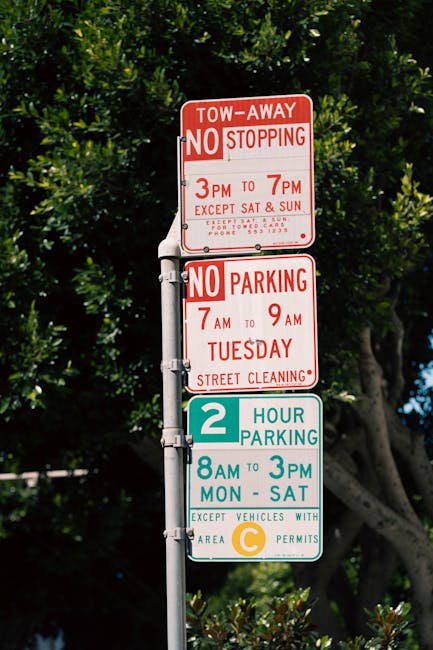
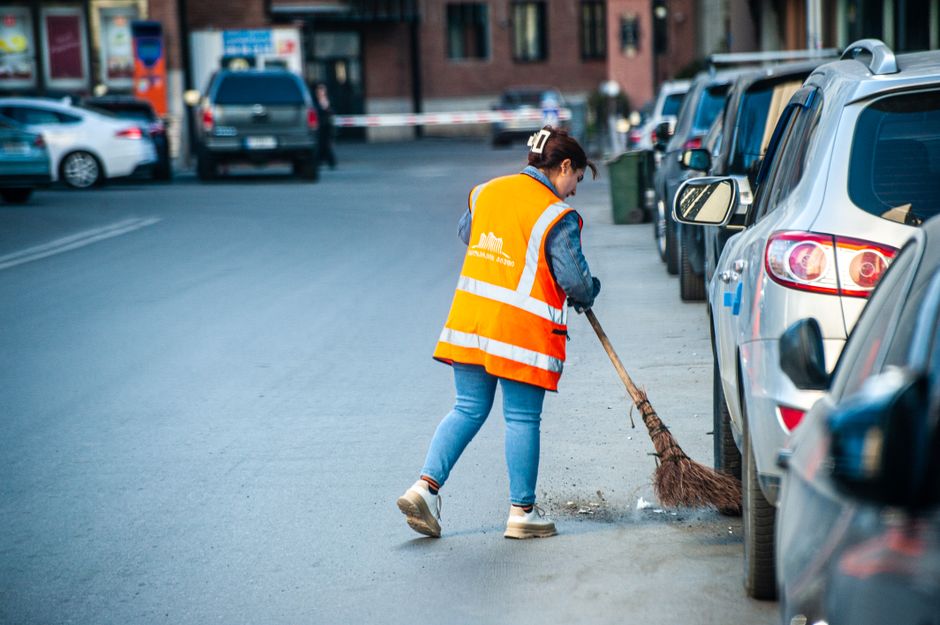
Street cleaning rules are about keeping public areas free from litter, trip hazards, blocked drains, and unsafe residue. If guests exit onto the pavement, smoke outside, or carry food and drink into the street, you should expect some level of cleanup responsibility. That might mean removing loose litter, sweeping the immediate frontage, checking for broken glass, and clearing any waste collection point after pickup.
For larger or noisier events, the expectation is often higher. If waste bins overflow or bags are left on the pavement too long, it can create a nuisance very quickly. Holland Park is not the place for a half-hearted sweep and hope-for-the-best approach.
3. Confirm whether a permit or local approval is needed
Not every event needs a formal cleaning permit, but some do require permission linked to the use of public land, waste placement, road access, or event management. If your event affects a street, pavement, parking bay, or other shared space, assume you may need to coordinate with the relevant local authority or property manager. Where the requirement is unclear, ask before the event rather than after.
4. Build cleaning into the event plan
A workable plan includes the people, tools, timing, and disposal route. That means knowing who clears tables, who changes bins, who checks the street edge, and who does the final inspection before the site is handed back. Small events often fail here because everyone assumes "someone else will do it." Spoiler: they usually do not.
5. Use an end-of-event inspection
The final walk-through is where many problems are caught. Look for sticky patches, cigarette ends, loose napkins, bin overflow, marks on hard floors, and water trails from entrances. If you have a cleaner on site, they should know the handover standard. If the event is in a home, office, or managed property nearby, the clean-up expectations can be even more exacting.
Key Benefits and Practical Advantages
Good event cleaning planning is not just about avoiding penalties or complaints. It makes the whole event smoother.
- Less risk of disruption: A proper cleaning plan prevents rubbish buildup, blocked entrances, and avoidable hazards.
- Better relationships with neighbours: In a residential area, that matters more than most organisers think.
- Cleaner handover: Venues, landlords, and property managers are far more likely to be satisfied if the site is left in good order.
- Faster turnaround: A structured clean means the site can often be reset or reopened sooner.
- Lower stress on the day: You know what happens if something spills, breaks, or overflows.
There is also a practical comfort in knowing the site is under control. You can actually enjoy the event a bit more when you are not worried about where the bins are, whether the pavement is dirty, or who is collecting the last of the glassware. That peace of mind is worth quite a lot, really.
If your event is tied to a broader property clean, you may also want to think about deep cleaning or one-off cleaning afterwards, especially where food, guests, or foot traffic have left the indoors looking tired. For venues with mixed surfaces, hard floor cleaning can make the final handover feel much more complete.
Who This Is For and When It Makes Sense
This topic is relevant to a wider group than many people realise. It is not only for big festivals or official street closures.
You may need this guidance if you are:
- hosting a private party that affects a shared entrance or pavement
- organising a charity event, launch, or community gathering
- running a pop-up stall or temporary public-facing activity
- managing a venue in Holland Park with regular guest turnover
- arranging a building, refurbishment, or clearance event that creates dust and waste
- coordinating cleaners after a busy office or residential event
It also makes sense if you are trying to keep a property in good condition between uses. A lot of event organisers focus on the visible front end and then discover the backstage problem later: bin bags, stained door mats, mud in corners, and a floor that now needs more than a quick mop. That is where choosing the right support, whether that is a cleaning company or a specialist service, becomes useful.
If the event is in a business space, coordinated office cleaning or support from office cleaners may be the simplest route. For homes or private rentals, domestic cleaning or house cleaning may fit better. Different settings, different expectations. Simple as that.
Step-by-Step Guidance
Here is a practical approach you can use before the event date arrives. It is not glamorous, but it works.
- Define the event area. Mark out where guests will arrive, leave rubbish, queue, smoke, or gather outside.
- Identify the cleaning risks. Think about spills, litter, food waste, wet floors, broken items, and pavement dirt.
- Confirm permission needs. Check whether the event affects public space, loading access, or waste placement in a way that needs approval.
- Set the cleanup standard. Decide what "clean enough" means for the venue, street frontage, and internal space.
- Assign responsibility. Name the person who will manage bins, the final sweep, and the handover check.
- Schedule a cleaning window. Do not leave everything until guests have gone and the light is fading. It is much easier to clean while the site is still active.
- Prepare supplies. Bags, gloves, wipes, bins, sweepers, mop buckets, and spill materials should be ready before doors open.
- Carry out a final inspection. Walk the route from inside to street level and look at it the way a neighbour would.
In our experience, the final inspection is where the real value shows up. It catches the things everyone stops seeing after a long day. A paper cup by a doorway. A sticky patch on the threshold. One loose leaf blown into the gutter. Tiny things, yes, but they matter.
Expert Tips for Better Results
When event cleaning goes well, it usually looks effortless. Underneath that, though, there is a bit of discipline.
1. Treat entry points as high-risk zones
Doors, steps, and thresholds collect the most dirt. Put mats down if you can and inspect those areas twice, not once.
2. Use more bins than you think you need
Overflow is one of the easiest ways to make a clean event look untidy. Extra bins reduce the temptation to stack rubbish beside them.
3. Keep wet and dry waste separate where practical
It makes removal cleaner and reduces leaks. Nobody enjoys carrying a bag that has decided to fail at the bottom, especially not on a stairwell.
4. Build in a mid-event tidy
Even a small reset halfway through can stop the site from getting out of hand. That is especially useful for longer events or buffets.
5. Plan for the weather
Rain, wind, and mud change everything. A dry entrance at 4pm can turn into a slippery mess by 8pm. One of those quiet London realities, really.
6. Match the cleaning method to the surface
Hard flooring needs a different approach from upholstery, rugs, or windows. If the event leaves marks on fabric seating or soft furnishings, specialist care may be worth considering later, including upholstery cleaning or sofa cleaning.
If you are managing a bigger cleanup, a service such as after builders cleaning can be relevant when the event overlaps with installation, refurbishment, or heavy setup work. And for glass-heavy spaces, window cleaning may help restore the overall finish.
Common Mistakes to Avoid
Most event cleanup problems are not dramatic. They are ordinary oversights that pile up.
- Assuming the venue handles everything: Some do a lot, some do very little. Always confirm responsibilities in writing where possible.
- Underestimating the street impact: If guests spill out onto the pavement, the street is part of your cleanup zone.
- Leaving waste too late: Bags left by entrances can attract complaints fast.
- Using the wrong tools: A domestic mop is not always enough for busy event traffic.
- Skipping the final walk-through: The last five minutes often save the most headaches.
- Forgetting access for cleaners: If professional cleaners are coming in, they need timing, entry instructions, and a clear scope.
And then there is the classic mistake: trying to fix a messy exit at midnight with one tired person and a roll of bin liners. Not ideal. Not really.
Tools, Resources and Recommendations
You do not need a huge kit, but you do need the right basics. A tidy event is usually the result of simple tools used consistently.
| Tool or resource | Why it helps | Best use |
|---|---|---|
| Heavy-duty bin liners | Reduce split bags and leaking waste | General event waste and food packaging |
| Spill kit | Helps deal with liquid accidents quickly | Drinks, sauces, and muddy footprints |
| Hand-held sweeper and dustpan | Fast for small debris | Entrances and pavement edges |
| Mop and neutral cleaner | Useful on most hard floors | Final indoor clean-up |
| Microfibre cloths | Good for fingerprints and light marks | Tables, counters, and surface wipe-downs |
| Dedicated waste point | Stops rubbish from being scattered | Near exits or service areas |
For many organisers, the best recommendation is not a tool at all, but a support decision: whether to use a professional team. If the event is complex, a trusted cleaners team can cover the physical work while you focus on guests, logistics, and the handover. If the event is smaller, you may only need a lighter touch and a thorough checklist.
Budgeting matters too. If you are still shaping the event plan, it helps to review pricing and quotes early so the cleanup does not become a last-minute add-on. For peace of mind around business terms, you can also review terms and conditions and the company's health and safety policy if you are using outside support.
Law, Compliance, Standards, or Best Practice
Because this topic touches street use, waste handling, public cleanliness, and event safety, it is wise to treat compliance carefully. Exact rules can depend on the nature of the event, the land involved, and the permissions attached to it. If public space, loading areas, or access routes are part of the event setup, there may be formal expectations about waste control, cleanliness, and restoration after the event.
In UK practice, the safest approach is to assume that the organiser is responsible for leaving the area tidy and safe unless told otherwise. That means preventing litter escape, removing hazards promptly, and making sure nothing blocks walking routes. If cleaning involves staff, contractors, or heavier equipment, basic site safety matters too: clear instructions, sensible manual handling, and suitable protective gear.
Professional standards are often quite practical rather than fancy. People expect punctuality, tidy workmanship, clear communication, and a site that does not create trouble for anyone else. For event settings, that often means:
- keeping pedestrian access clear
- managing waste in closed containers where possible
- removing food residue before it attracts pests or odours
- checking for slips, trip hazards, and broken items
- handing the site back in a visibly acceptable condition
If you are using professional support, look for transparent policies and well-defined responsibilities. Pages such as insurance and safety, recycling and sustainability, and about us can help you understand how a provider works and what standards they claim to follow. That kind of due diligence is worth the time, honestly.
Options, Methods, or Comparison Table
There is no single best cleaning model for every event. The right choice depends on size, mess level, and how formal the handover needs to be.
| Approach | Best for | Strengths | Limitations |
|---|---|---|---|
| Self-managed cleanup | Small private events | Low cost, flexible, simple to organise | Easier to miss detail when people are tired |
| Venue-led cleanup | Managed venues with clear rules | Convenient, already integrated into operations | Scope may be limited or chargeable |
| Professional cleaners on site | Busy or high-footfall events | Reliable, thorough, faster reset | Higher direct cost |
| Post-event specialist clean | Events with heavy spill, dust, or fabric marks | Targets deeper mess after guests leave | Requires more time before full handover |
For many Holland Park events, a blended approach works best. The organiser handles basic waste control, the venue covers its own immediate requirements, and a professional team comes in for the detail work. That way, nobody is carrying the whole mess on their own shoulders.
Case Study or Real-World Example
Picture a small evening reception near Holland Park. It is not a huge crowd, but there is catering, a few bottles, card packaging, and guests moving in and out of the doorway. By the end of the night, the indoor floor near the entrance has light marks, the bins are full, and the pavement outside has a scattering of napkins and a couple of sticky drink rings.
A sensible organiser would have already set up one bin indoors, one by the exit, and a short cleanup slot before final departure. During the event, a staff member or host would check the doorway once or twice. After guests leave, the site would be inspected from the back room to the pavement. The waste would be bagged, the threshold wiped, and the frontage swept. If needed, a follow-up team would handle deeper cleaning on the soft seating or fabric chairs.
Now compare that with a rushed version of the same event. Everyone leaves at once, rubbish is stacked near the entrance, and the final person out assumes the venue staff will sort it. Two hours later, the street looks untidy, someone has noticed a spill, and the organiser is fielding messages. Same event, different result. The difference is rarely magic. It is planning. Plain and simple.
Practical Checklist
Use this checklist before and after the event to keep things under control.
- Confirm whether any permit or permission is needed for the event footprint
- Identify all indoor and street-level cleaning responsibilities
- Assign a named person to manage waste and final inspection
- Place enough bins in visible, easy-to-reach locations
- Keep spill materials and wipes ready before guests arrive
- Protect entrances, floors, and high-traffic areas where possible
- Plan a mid-event tidy if the event lasts several hours
- Inspect the pavement, doorway, and shared access routes at the end
- Remove full bags promptly and store waste safely
- Use specialist help if fabrics, floors, or glass need deeper cleaning
Before you lock everything down, it is worth checking whether the wider property needs support too, especially if the event is part of a move, clearance, or renovation. In those cases, house clearance or other follow-up cleaning can save you a second round of stress.
Get a free quote today and see how much you can save.
Conclusion
Event cleaning permits and street cleaning rules in Holland Park are really about one big idea: be considerate, be prepared, and leave the space in good shape. Whether you are dealing with a quiet private function or a more active public-facing event, the cleaning side should be planned as carefully as the guest list or the catering. If you get that right, the event feels calmer, the handover is cleaner, and the whole thing just runs better.
And truth be told, that is what most people want. A smooth event, a tidy finish, no awkward follow-up emails, and a street that still looks like itself when everyone has gone home. Quiet competence goes a long way.
Frequently Asked Questions
Do I need a permit for event cleaning in Holland Park?
Not always, but you may need permission if your event affects public space, waste placement, access routes, or street use. The safest move is to check in advance rather than assume the cleanup side is informal.
What do street cleaning rules usually cover?
They usually cover keeping pavements, entrances, and nearby public areas free from litter, spillages, blockages, and trip hazards. The exact expectations depend on the event and location, but the basic standard is tidy and safe.
Who is responsible for cleaning after an event?
Usually the organiser, unless the venue contract or local arrangement says otherwise. Never rely on assumptions. Clarify who handles waste, who sweeps, and who does the final handover.
What happens if rubbish is left on the pavement?
It can lead to complaints, unsafe conditions, and a poor impression with neighbours or property managers. In some cases, it may also create compliance issues if the waste blocks access or remains out too long.
How early should I plan the cleanup?
As early as the event planning stage. If you wait until the last day, you will probably miss something simple, like waste storage or who has the keys after guests leave.
Is a professional cleaner worth it for a small event?
Sometimes yes. If the event involves food, drinks, lots of foot traffic, or a tight handover window, a professional cleaner can save time and reduce stress. For very small gatherings, self-cleaning may be enough.
What areas should I focus on first?
Entrances, exits, bins, spill zones, and any part of the street frontage used by guests. Those are the spots most likely to cause a complaint if they are neglected.
Can I leave waste bags outside overnight?
Usually that is not a good idea unless you have been told it is acceptable. Bags left outside can attract pests, create odours, and make the area look untidy very quickly.
What cleaning supplies are most useful for event cleanup?
Heavy-duty bin liners, microfibre cloths, a mop, a neutral cleaner, gloves, a dustpan and brush, and a spill kit are the basics. If the event is larger, you may need more specialist tools.
What if the event causes marks on soft furnishings or carpets?
That is when specialist follow-up can help. Depending on the material and stain, services like carpet cleaning, upholstery cleaning, or rug cleaning may be more appropriate than a general wipe-down.
How do I make sure the street looks clean after guests leave?
Build a final walk-through into the schedule, not as an afterthought. Check the pavement, doorway, and any shared access area. Small items, like napkins or bottle caps, are easy to miss when everyone is tired.
What is the simplest way to avoid cleanup problems?
Prevent the mess before it starts. Use enough bins, keep a tidy exit route, and assign one person to watch the waste and street edge during the event. A little control early on saves a lot of work later.