Common problems with flat access for Holland Park cleaners
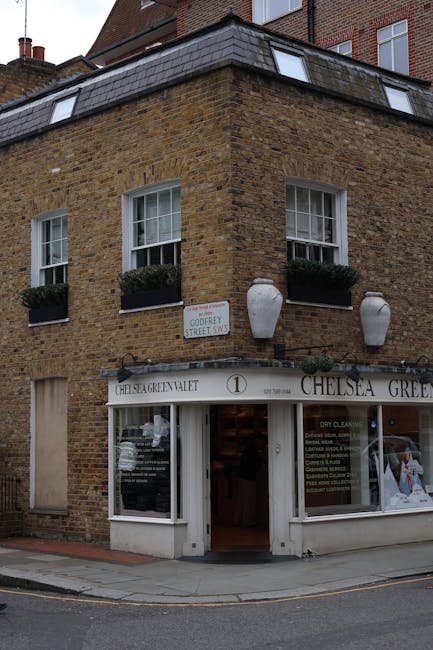
If you have ever booked a cleaner for a flat in Holland Park and thought, "It's just a flat, how hard can access be?", the answer is often: surprisingly hard. Common problems with flat access for Holland Park cleaners can turn a simple visit into a late arrival, a rushed job, or an awkward reschedule. In a part of West London where you will find mansion blocks, converted terraces, basement flats, porters, intercoms, narrow stairwells, and the occasional lift that seems to have a mind of its own, access really matters. This guide breaks down the real-world issues, why they matter, and how to handle them without drama.
We'll look at the practical side of flat access, the common mistakes people make, and the steps that help cleaners work properly the first time. There's also a checklist, a comparison table, and a few honest examples from day-to-day cleaning life. Because let's face it: a cleaner can be brilliant, but if nobody can get in, nothing gets cleaned.
Why Common problems with flat access for Holland Park cleaners Matters
Flat access issues are not just a nuisance. They affect timing, costs, cleaning quality, and even whether the job can be completed at all. In Holland Park, many properties sit in older buildings or shared blocks where access is controlled in ways that are perfectly normal for residents, but less convenient for visiting cleaners. You may be dealing with keyed entry, buzzer systems, concierge procedures, or multiple doors before anyone reaches the actual flat.
Why does that matter? Because a cleaner works best when they can arrive, unload equipment, and start without wasting the first 20 minutes trying to contact someone. A carpet clean, a deep clean, or a one-off refresh is often scheduled around a limited window, so lost access time eats into the job. And if a cleaner has to carry hoses, vacuums, or damp equipment up several flights of stairs, even small delays can snowball.
There's also the customer side. When access is unclear, people often blame the wrong thing. The cleaner may seem late, but the real issue was a missing fob, an unanswered intercom, or a post room that closes at lunchtime. That sort of thing is easy to overlook, especially if you only use cleaning services once in a while.
Expert summary: the smoother the access, the better the clean. Clear entry instructions are one of the simplest ways to improve punctuality, reduce stress, and protect the quality of the work.
If you are comparing providers, it also helps to understand how a professional cleaning company handles arrival planning, what information they need in advance, and how they manage jobs in shared buildings. Good communication is not a bonus. It is the backbone.
How Common problems with flat access for Holland Park cleaners Works
In simple terms, flat access is everything a cleaner needs to physically reach the property and start the job on time. That sounds obvious, but in practice it includes a surprising number of moving parts:
- the correct address and flat number
- how to enter the building
- who opens the door or grants entry
- where to park or unload equipment
- whether lifts, stairs, or service entrances are available
- any building rules about noise, mats, water use, or protective floor covering
For many London flats, the cleaner is not just turning up to a front door. They may need to wait outside a secure gate, buzz a resident, collect a key from a concierge, sign in at reception, or navigate a coded entrance. In some blocks, there are also time-based restrictions, so access can be easier at 9 a.m. than it is after lunch. That is especially relevant for services like deep cleaning, where the team may need more time and more equipment than a standard visit.
A good booking usually starts with a few basic questions: Can the cleaner arrive without being escorted? Is there parking nearby? Are there two lifts, one lift, or no lift at all? Is the flat on the top floor? Can equipment be carried through communal spaces without special permission? These are practical questions, not fussy ones.
Truth be told, most access problems are preventable. They happen because people assume the building is straightforward when it isn't. Or they forget that the cleaner is working to a schedule and cannot spend half the morning trying every possible buzzer combination. Been there, seen that.
Key Benefits and Practical Advantages
Sorting access properly is not just about being polite. It has real benefits for the clean itself and for the whole booking experience.
- Less wasted time: the cleaner starts sooner and finishes within the planned window.
- Better results: more time is spent on actual cleaning, not waiting around.
- Lower risk of damage: fewer rushed movements through tight stairwells or awkward communal spaces.
- Less disruption to neighbours: clear arrival instructions reduce unnecessary buzzing, knocking, and corridor confusion.
- More accurate pricing: access conditions can affect how long a job takes, which helps quotes stay realistic.
There is also a mental benefit that people underestimate. When access is clear, everyone relaxes a little. The cleaner knows where to go, the resident knows when to expect them, and the appointment feels professional rather than improvised. For busy households, or for anyone booking regular domestic cleaning, that calmness is worth a lot.
It can even affect specialist jobs. If you need oven cleaning or upholstery cleaning in a flat with limited entry space, the cleaner may need to plan equipment movement carefully. A smooth route in and out helps protect walls, floors, and door frames, which matters more than people think.
Who This Is For and When It Makes Sense
This topic matters if you live in a flat, manage one, let one out, or arrange cleaning on someone else's behalf. That includes:
- owners in mansion blocks or converted houses
- tenants at the start or end of a tenancy
- landlords preparing a property for the next occupant
- letting agents coordinating access with multiple parties
- concierge-managed buildings
- busy households that need a cleaner while they are out
It makes particular sense to think about access before booking when the job is time-sensitive or detailed. End-of-tenancy cleans, after-builders work, and large whole-flat cleans tend to expose access problems quickly because they involve more equipment, more time, and tighter coordination. If you've ever tried to move sacks of cleaning kit through a narrow hallway while someone else is waiting on the intercom, you'll know the feeling.
People also need to think about access when the flat has vulnerable surfaces, shared corridors, or restrictions on water and noise. A careful provider will usually ask these questions upfront. If they don't, that's a small warning sign.
And yes, the topic matters even for smaller jobs. A simple carpet refresh can still fail if the cleaner cannot enter, park, or bring gear upstairs. Sometimes the smallest jobs have the fiddliest access. Annoying, but true.
Step-by-Step Guidance
Here is a practical way to manage access without overcomplicating things.
- Confirm the exact flat details. Give the building name, flat number, postcode, and any entrance notes. Don't assume the cleaner can guess which door you mean.
- Explain how to enter. Say whether there is a buzzer, key safe, concierge, side entrance, or resident escort. If there are multiple doors, list them in order.
- Share timing clearly. If access is only available after a certain time, say so early. A cleaner arriving before the concierge opens is nobody's idea of a good start.
- Describe the route inside. Mention stairs, lifts, narrow turns, coded internal doors, or long corridors. This helps with equipment planning.
- Flag parking and unloading issues. In Holland Park, a few minutes of circling for a legal place to stop can make a real difference. Be specific if loading is only possible from one side street.
- Tell the cleaner about building rules. Some blocks dislike wet equipment in communal areas, while others require floor protection or reception sign-in.
- Arrange a backup contact. If you will be unavailable, give a phone number for someone who can answer quickly. A dead line at the door is a classic cause of delay.
- Double-check the day before. A short confirmation message can prevent the classic "I thought you had the keys" situation.
For larger cleaning jobs, it helps to review the provider's published terms and conditions and any relevant service information before the appointment. If access issues cause delays, you want everyone to understand what happens next, not argue about it by the front door.
A quick note from real life: the best jobs are rarely the fanciest ones. They are the ones where someone took two minutes to give precise access notes. That's it. Two minutes. Saves everyone a headache.
Expert Tips for Better Results
If you want flatter, smoother access with fewer surprises, these tips help more than most people expect.
- Use plain language. "Enter through the side gate, ring flat 4, then take the lift to floor 2" is better than "just come in round the back".
- Give landmark clues. If the entrance is hidden or shared, mention the shopfront, courtyard, or the building next to it.
- Check intercom names. Old systems often display names differently from what residents expect. That tiny detail can waste ten minutes.
- Allow buffer time. If you know parking is awkward, build in a little slack. Not loads. Just enough to stop the day becoming frantic.
- Protect communal relationships. A cleaner who is repeatedly forced to buzz multiple flats or wait in a corridor can become a problem for neighbours. Clear access avoids that.
- Be honest about the lift. If the lift is small, old, or unreliable, say so. It changes how equipment is brought in and how long the job takes.
If you are booking more than one service, think about how they interact. A house cleaning visit may be straightforward, but a combined clean with rugs, carpets, and soft furnishings can mean more trips in and out. That's where access planning becomes really useful, especially in a flat where hallways are tight and the floor is easy to mark.
One small but helpful habit: take a photo of the entrance, buzzer panel, or parking bay and send it with the booking details if the provider allows that sort of thing. Visual confirmation can remove guesswork. Handy, and a bit old-school in the best possible way.
Common Mistakes to Avoid
Most access problems come from the same handful of mistakes. Nothing dramatic. Just easy-to-miss details that create avoidable friction.
- Assuming the cleaner knows the building. They probably do not, even if the street is familiar.
- Forgetting about concierge hours. If the building staff go off duty, access may stop with them.
- Not mentioning a broken lift. A cleaner turning up with equipment for a fifth-floor walk-up is a very different day from a lift job.
- Leaving keys with "someone nearby". That sounds convenient until nobody answers the door or phone.
- Booking during a crowded time slot. School runs, delivery windows, and resident turnover can all make access clumsy.
- Using vague directions. "It's the big white building" is not enough in a place with several big white buildings. To be fair, that may be half of London.
Another common issue is underestimating the impact of access on the final quality. If a cleaner arrives flustered and half the appointment disappears into coordination, the visible result may suffer. That is especially frustrating for people booking a one-off cleaning after a busy period or before guests arrive.
Sometimes the issue is not the building at all. It is the communication chain. Landlord tells agent, agent tells tenant, tenant tells cleaner. Somewhere along the line, a key detail gets mangled. Every time. So yes, it's worth being mildly obsessive about the access note. Mildly.
Tools, Resources and Recommendations
You do not need a complicated system to improve access. A few simple tools and habits usually do the job.
- A shared access note: keep one message with the flat number, entrance instructions, and backup contact.
- Photo reference: useful for private entrances, unusual gates, or confusing blocks.
- Calendar reminders: ideal when access depends on someone else being home.
- Key collection plan: if keys are being left, make sure both sides know exactly where and when.
- Clear payment setup: if there is any prepayment or card handling, check the provider's payment and security information first so you are not sorting admin at the last minute.
It also helps to choose a provider that communicates properly and explains the practical side of the job in advance. Pages like about us, insurance and safety, and health and safety policy are useful because they give you a sense of how seriously a company takes the less glamorous side of the work. That matters in flats, where small mistakes can affect shared areas.
If the property has very tight access or needs extra work after renovation, the relevant service page can also help you judge whether the job is suitable. For example, after builders cleaning is often more demanding in terms of movement, dust control, and entry planning than a standard domestic visit.
Practical rule of thumb: if the cleaner would have to ask three different people just to get through the front door, the access note needs more detail.
Law, Compliance, Standards and Best Practice
For most residents, flat access is a practical issue rather than a legal one. Still, there are standards and good practice points worth respecting. Shared buildings often have their own rules about visitors, waste handling, lift use, and common-area protection. A professional cleaner should follow those rules where they are reasonable and clearly communicated.
There is also the broader duty of care that comes with working in someone else's home and in shared communal spaces. Cleaners should avoid damaging walls, lifts, door furniture, or flooring, and residents should provide access information that helps prevent that. It is basic courtesy, but it also aligns with good professional practice.
In a flat, this is especially relevant when cleaners need to move equipment through narrow spaces or when a job creates temporary moisture, odour, or noise. Proper planning reduces risk. The same goes for privacy and building security. If a concierge or resident is involved in entry, the process should be handled respectfully and without unnecessary waiting around in the lobby.
If you ever need to raise a concern, a provider's published complaints procedure can be a useful sign that they have a proper escalation path. That is not just formal paperwork. It shows they expect to deal with real-world issues calmly, which is reassuring when access goes sideways.
For accessibility matters, it can also be worth reviewing the company's accessibility statement. In flat-based work, accessibility is not a side topic. It may affect who can open doors, how equipment is carried, and whether the route is usable for everyone involved.
Options, Methods and Comparison Table
Different access arrangements suit different flats. There is no single perfect method, only the one that fits the property and the job.
| Access method | Pros | Cons | Best for |
|---|---|---|---|
| Resident lets the cleaner in | Simple, direct, minimal admin | Depends on someone being available | Occupied flats, flexible households |
| Concierge or reception entry | Professional, controlled, secure | Can be slow if staff are busy | Managed blocks, larger buildings |
| Key handover in advance | Cleaner can start on time | Key safety must be handled carefully | Tenancy cleans, vacant properties |
| Key safe or coded entry | Convenient, repeatable, less waiting | Code must be shared accurately | Regular cleaning, trusted arrangements |
| Escort access through the building | Useful for restricted or sensitive sites | Slower and more dependent on timing | Some managed or high-security flats |
For standard domestic work, resident-led access is often easiest. For end-of-tenancy or vacant properties, pre-arranged key access is usually smoother. For offices in converted buildings, the balance can shift again, which is why office cleaning often involves more access coordination than people expect. A quiet lobby on paper can become quite a busy little hub by mid-morning.
The right method is the one that keeps the cleaner moving and the resident relaxed. If you are not sure which arrangement is safest or most practical, ask the provider what they recommend for the type of flat you have.
Case Study or Real-World Example
A typical Holland Park scenario goes like this. A resident books a cleaner for a two-bedroom flat in a mansion block. The job is meant to start at 10 a.m. The cleaner arrives on time, but the concierge asks for a resident call before entry. The resident is in a meeting, the intercom name is slightly different from the booking notes, and the lift is being serviced. Ten minutes become twenty. Then the cleaner finally gets in, but the original schedule is already squeezed.
Nothing disastrous happened. No one was rude. No one made a huge mistake. But the cleaning window shrank, and the cleaner had to work faster than planned. The client later said the actual clean was fine, but the handover felt messy. That kind of situation is very common in flats, and it is usually avoidable.
When the same client booked again, they sent the building name, concierge hours, flat number, lift note, and a backup mobile contact the evening before. The cleaner entered smoothly, set up quickly, and finished within the planned slot. Same building. Same service. Very different experience.
That is the whole point really. Access planning does not need to be fancy. It just needs to be specific.
Practical Checklist
Before your cleaner arrives, run through this quick checklist.
- Have I given the exact building name and flat number?
- Do I know how the cleaner gets in?
- Have I confirmed concierge or reception hours?
- Is the intercom name correct?
- Is there a lift, and is it working?
- Have I explained stairs, codes, or hidden entrances?
- Do I need to arrange parking or unloading space?
- Have I told the cleaner about any building rules?
- Is there a backup contact if I cannot answer the phone?
- Have I shared any special instructions for delicate flooring, pets, or shared spaces?
One last thing: if the flat is empty, make sure access details are written somewhere obvious and not stuck in someone's memory alone. Memory is great until it isn't.
Conclusion
Common problems with flat access for Holland Park cleaners usually come down to the same themes: unclear entry instructions, awkward shared buildings, lift issues, parking difficulty, and too many people involved in a simple handover. None of this is unusual. In fact, it is pretty normal for London flats. The difference between a smooth appointment and a stressful one is usually the quality of the access information.
If you plan ahead, give clear directions, and choose the right access method for the property, the whole experience becomes easier. The cleaner gets on with the work, the flat gets cleaned properly, and everyone saves time. That is the real win.
If you are organising a visit soon, take five minutes now to gather the building details and access notes. Small effort, big payoff.
Get a free quote today and see how much you can save.
Frequently Asked Questions
What are the most common flat access problems for cleaners in Holland Park?
The usual problems are locked entry doors, intercom confusion, concierge delays, missing keys, poor parking, and lifts being out of service. Narrow staircases and shared hallways can make things slower too.
Why does flat access matter so much for cleaning appointments?
Because lost access time reduces the time available for actual cleaning. It can also affect equipment handling, cost accuracy, and whether the cleaner can complete the work within the agreed slot.
How do I give good access instructions to a cleaner?
Give the building name, flat number, entry method, lift or stair details, parking notes, concierge times, and a backup contact. Keep it plain and specific. Vague directions usually cause delays.
Should I stay at the flat to let the cleaner in?
If the building is awkward or the cleaner needs a walkthrough, yes, that can help. If you are leaving a key or using a concierge, just make sure the handover is clear and confirmed in advance.
What if the lift in my block is broken?
Tell the cleaner as soon as you know. A broken lift can change how equipment is brought in and may affect timing, especially for larger jobs or flats on higher floors.
Can cleaners work in flats with concierge or reception access only?
Yes, usually. The key is to coordinate the timing so the concierge knows the cleaner is expected and can release entry without long waits or repeated calls.
Do access problems change the price of cleaning?
They can, depending on the job and the provider's policies. More difficult access sometimes means more time, more handling, or extra planning. It is best to ask for a clear quote in advance and check the pricing terms.
What should I do if the cleaner cannot get into the building?
Stay reachable by phone, contact the concierge if needed, and check whether a key, code, or alternative entrance has been missed. If access cannot be resolved quickly, the appointment may need to be rearranged.
Is it better to use key-safe access for a flat cleaner?
It can be, if the arrangement is secure and the code is shared correctly. Key-safe access is often handy for regular cleaning or vacant flats, but it should always be set up carefully.
What access details matter most for end-of-tenancy cleaning?
For end-of-tenancy jobs, the biggest details are key handover, parking, lift access, building rules, and whether the property is fully empty. These jobs often need a bit more coordination than a standard domestic visit.
How can I reduce delays in a shared London block?
Send your access note the day before, confirm intercom names, check concierge hours, and arrange a backup contact. A short confirmation message can prevent a lot of confusion.
Where can I check a company's policies before booking?
Look at pages such as the company's terms and conditions, insurance and safety, and health and safety policy. Those pages help you understand how the provider handles practical and safety-related issues.
What if I need to complain about access problems or a missed appointment?
Check the provider's complaints procedure. A clear complaints route is a good sign that the company takes service issues seriously and has a proper way to resolve them.
Is access a bigger issue for specialist cleaning jobs?
Usually yes. Services like deep cleans, after-builders work, carpet care, and upholstery cleaning often involve more equipment and more time, so access needs to be planned more carefully than for a quick visit.